Easy Crochet Squirrel Pattern Free for Beginners
Bringing a touch of woodland charm into your home is simpler than you think with this beginner-friendly squirrel pattern. Perfect for those new to amigurumi, this project focuses on basic shapes and accessible techniques. Create a whimsical, furry friend that adds a cozy, handcrafted feel to any shelf or nursery.
The Joy of Amigurumi for Newbies
Crocheting small animals, known as amigurumi, is an excellent way for beginners to master the art of working in the round. A squirrel project is particularly forgiving because its organic shape allows for slight variations in tension without losing its character. Mastering the “magic ring” and the single crochet stitch provides the foundation for nearly every part of this adorable creature.
Focusing on Texture and Shape
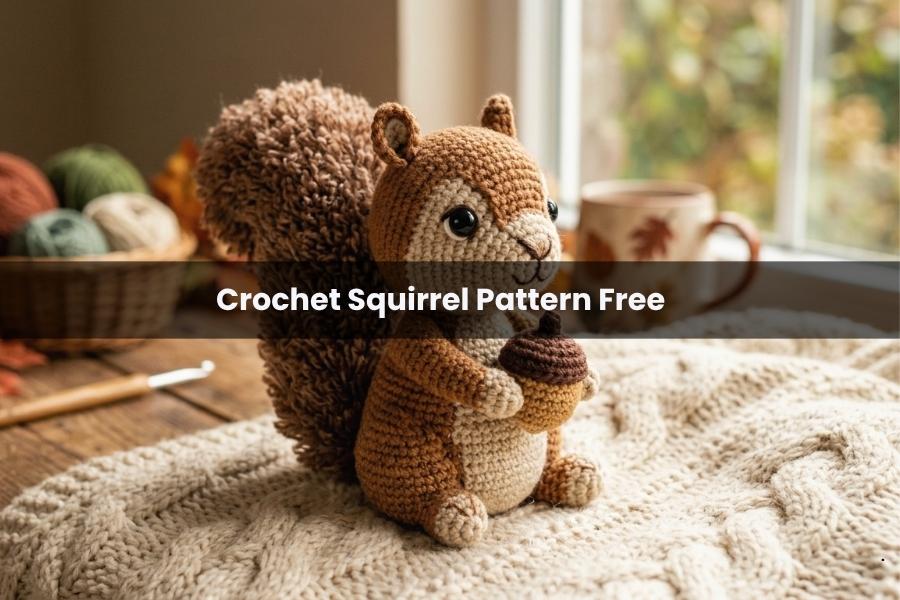
A squirrel’s most iconic feature is its bushy tail, which offers a great opportunity to experiment with different yarn textures. While the body typically uses standard smooth yarn for clarity, the tail can be brushed out or worked with a textured fiber to create that signature fluffiness. This contrast in textures makes the finished piece look professional despite the simplicity of the pattern.
Finishing Touches and Assembly
Because this pattern is designed for those just starting out, the assembly process is kept straightforward. The ears, limbs, and tail are attached to the main body using a simple whip stitch. Adding safety eyes or embroidered facial features gives each squirrel a unique personality, transforming a bundle of yarn into a spirited woodland companion.
Selecting the Right Stuffing
The longevity and “cuddliness” of your crochet squirrel depend heavily on how it is stuffed. For a firm, display-ready animal, use high-quality polyester fiberfill and pack it tightly into the limbs and body. If you prefer a softer, squishier toy, use a lighter hand when stuffing to allow the crochet fabric to remain flexible and soft to the touch.
Understanding Stitch Tension
In amigurumi, maintaining a tight tension is more important than in garment making. Beginners should aim for stitches that are close enough together to prevent the stuffing from peeking through. If you notice gaps in your work, try using a hook that is one size smaller than what is recommended on the yarn label to create a denser, more opaque fabric.
Choosing Beginner-Friendly Yarn Colors
While traditional browns and greys are classic for squirrels, don’t be afraid to branch out into unconventional palettes. Solid colors are generally easier for beginners to work with because they offer better stitch visibility compared to variegated or extremely dark yarns. Lighter shades like fawn, cream, or even a soft orange make it much easier to see where to insert your hook.
The below video contains all the steps you need: