Crochet Cardigan Pattern Free
Video Tutorial Included
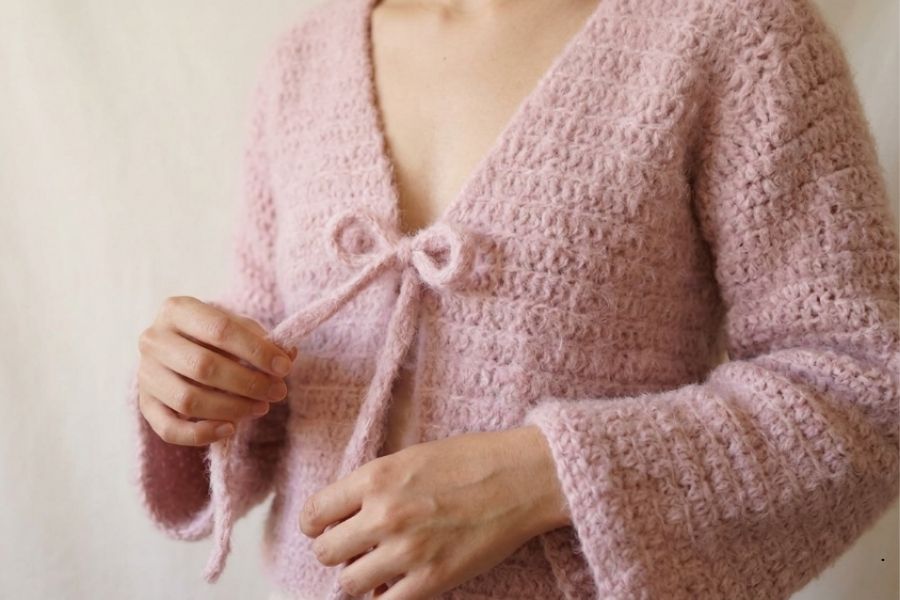
A free crochet cardigan pattern is the perfect gateway to building a stylish, handmade wardrobe. Combining comfort with effortless style, a cozy layering piece transitions beautifully through every season.
This guide explores the foundational elements of cardigan design, helping you choose the right style, stitch, and fit before diving into your next project.
The Timeless Appeal of Handmade Cardigans
Garment making is one of the most rewarding milestones for any fiber artist. Unlike pulled-over sweaters, cardigans offer incredible versatility because they can be worn open, buttoned up, belted, or loosely draped. Designing and stitching your own outerwear allows you to customize the length, drape, and overall silhouette, resulting in a unique wardrobe staple that fits your personal style perfectly.
Exploring Silhouette and Construction Styles
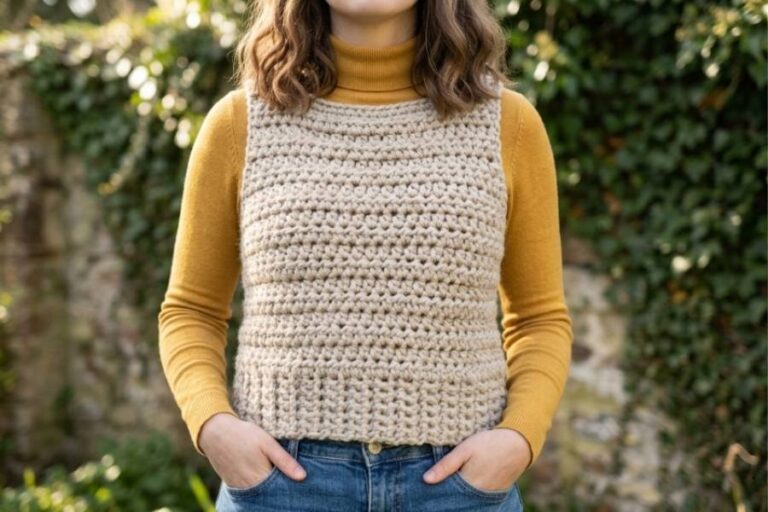
Cardigans can be constructed in several different ways, each offering a unique look and drape. Classic drop-shoulder designs are created by stitching flat rectangular panels for the back and front before seaming them together, making them incredibly beginner-friendly. For a more fluid, seamless look, raglan or top-down construction allows you to work the entire piece in one continuous section, minimizing assembly time at the end.
Choosing Stitches for Drape and Texture
The selection of your stitch pattern dictates how the fabric moves and holds its shape. Utilizing simple, repeating stitches like the half double crochet or the moss stitch creates a classic, tightly woven fabric with excellent warmth. On the other hand, incorporating modern lace, bobbles, or chevron patterns introduces striking visual texture and a lighter, airier feel that is perfect for spring and summer layering.
Customizing Length and Fit
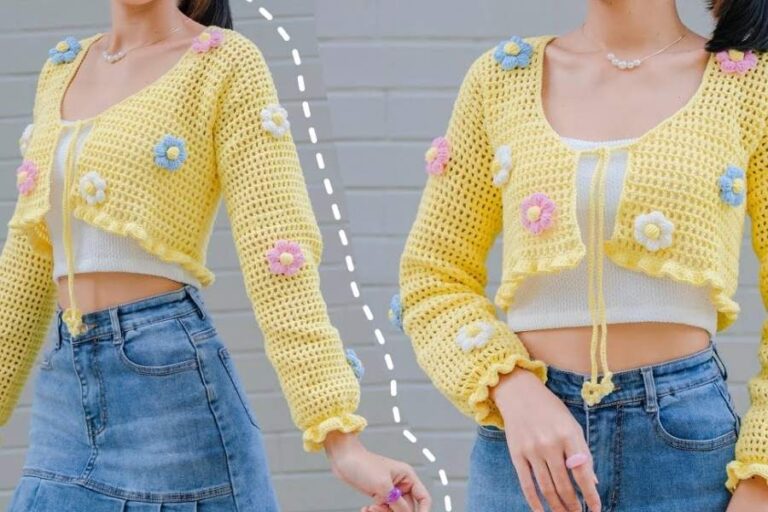
One of the greatest benefits of making your own outerwear is the ability to alter the dimensions on the fly. You can easily adapt a standard pattern into a trendy cropped cardigan to pair with high-waisted jeans, or extend the body rows to create a dramatic, thigh-skipping duster. Adjusting the sleeve length or adding deep, functional pockets are simple ways to tailor the garment to your daily needs.
Material Selection for Seasonal Wear
The fiber profile you choose completely changes the functionality of your garment. For chilly autumn and winter days, wool blends, alpaca, and heavy acrylics provide maximum insulation and a cozy, substantial weight. If you are aiming for a breezy summer cardigan, choosing plant-based fibers like cotton, linen, or bamboo ensures the fabric remains breathable, lightweight, and cool against the skin.
Swatching and Sizing Accuracy
Because garments must fit the body comfortably, ensuring your stitching tension matches the design is crucial. Crocheting a small test square before starting the actual panels helps prevent a cardigan from turning out dramatically too large or too small. It is always wise to review the schematic measurements of a pattern rather than relying solely on standard small, medium, or large labels, as oversized styles require different ease.
Fiber Memory and Weight Considerations
When planning a large garment like a cardigan, the weight of the yarn itself can cause the stitches to stretch downward over time. Heavy fibers like 100% cotton tend to sag under their own weight, which may lengthen sleeves and hems after a few wears. Choosing lightweight acrylics or animal fibers with natural elasticity ensures the cardigan retains its original shape and bounce through repeated use.
Essential Hardware and Fastener Choices
The finishing touches can completely elevate the look of your handmade outerwear. Deciding between chunky wooden buttons, delicate tortoiseshell toggles, a modern metal zipper, or leaving the front entirely open changes both the aesthetic and functionality. Matching the weight of your buttons to the thickness of your stitchwork prevents the collar or placket from sagging or pulling awkwardly.
Storage and Longevity Wisdom
Handmade crochet wear requires mindful storage to maintain its structure and prevent distortion. Hanging a heavy cardigan on a standard hanger can permanently stretch out the shoulders and warp the neckline due to gravity. Folding the garment neatly and storing it flat in a drawer or on a shelf ensures the fabric stays perfectly in shape for years to come.
The below video contains all the steps you need.
Video Tutorial
For a complete visual walkthrough of the pattern, stitch configurations, and assembly techniques required to complete this project, you can follow the detailed video guide here: