Easy Leaf Coasters Crochet Free Pattern for Beginners
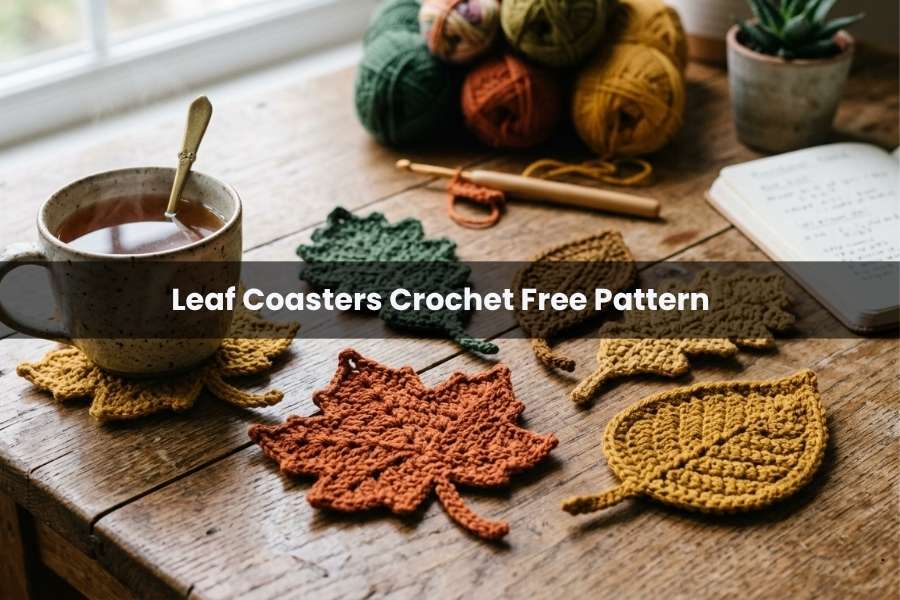
Crochet leaf coasters are a delightful way to bring a touch of nature into your home while practicing your stitching skills. These beginner-friendly projects are incredibly quick to make, allowing you to create a full set in just one afternoon using various shades of green or seasonal colors.
Project Overview
These coasters are designed to be versatile. You can use scrap yarn in any weight, though the final size will vary depending on your choice:
- DK Weight Cotton Yarn: Results in a coaster approximately 4 inches from top to bottom.
- Medium Weight (4) Yarn: Results in a larger coaster, approximately 5 inches from top to bottom.
Required Materials
- Crochet Hook: 4 mm size.
- Yarn: Cotton DK weight is recommended for absorbency, but acrylic or wool blends also work.
- Tools: A pair of scissors and a tapestry needle for tidying up ends.
- Optional: A stitch marker to help identify the peak point of the leaf.
Pattern Instructions at a Glance
The construction of the leaf involves working in rounds to create a teardrop shape that mimics a natural leaf.
- Round 1: Start by creating a small center ring and working double crochet stitches into it to establish the base.
- Round 2: Increase the stitch count by placing two double crochets in each stitch, creating a wider surface. A chain space is used at the “peak” to begin shaping the point.
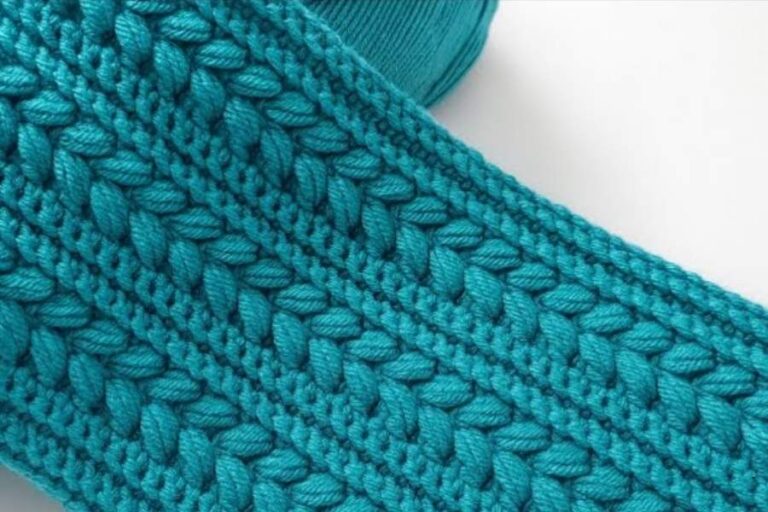
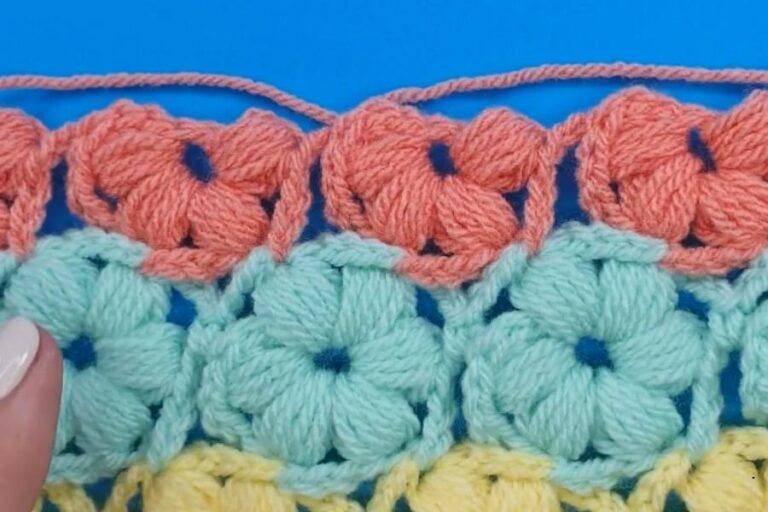
- Round 3: This round introduces texture using puff stitches. Each puff is separated by a chain space to create a “ribbed” or “veined” look common in leaves.
- Round 4: The final round stabilizes the edges with single crochet stitches and defines the sharp tip of the leaf at the peak.
For a detailed walkthrough of the specific stitch placements and transitions, the below video contains all the steps you need.
Tips for Crochet Success
- Experimenting with Fiber: While cotton yarn is the gold standard for coasters because it absorbs condensation from cold drinks, acrylic yarn offers a wide variety of vibrant greens that hold their shape well.
- Tension Consistency: Try to keep your tension even, especially when working the puff stitches. If they are too tight, the leaf may curl; if too loose, the “veins” may look messy.
- Stitch Definition: Using a light-colored yarn for your first attempt can help you see the “V” of each stitch more clearly, making it easier to place your hook correctly.
- Blocking Your Work: If your leaves look a bit wavy after finishing, a quick “steam block” (using a steamer or iron on steam setting without touching the yarn) can help them lay perfectly flat on your coffee table.
Was this helpful?
Thanks for your feedback!